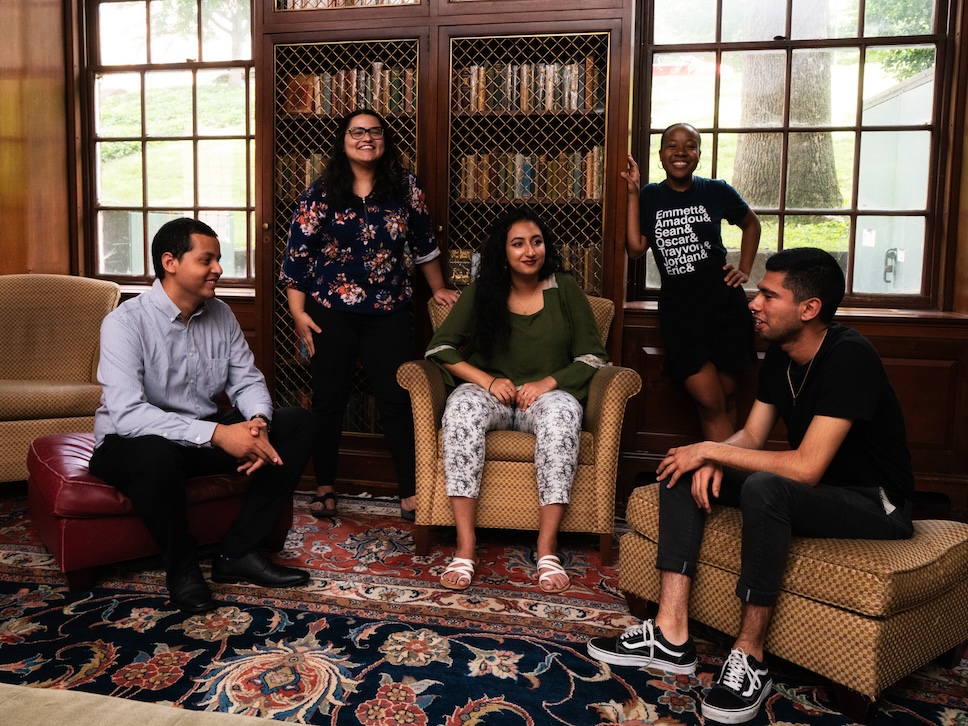
Experiment in Community
We are the UVA Library's community lab for the practice of experimental scholarship in all fields, informed by digital humanities, spatial technologies, & cultural heritage thinking.
Recent Blog Posts
-
Developing a Sustainable Summer Writing Practice
-
Task Lists - Physical to Digital
-
automated deploy with build-ghpages
-
Book Revision Workflow
Recent Activity
Shane Lin, Winnie Pérez Martínez, & Jeremy Boggs wrote & submitted an essay on their UVA digital archive work around the events at UVA+Charlottesville August 11-12th 2017, for a library & DH special journal issue on static sites.
Jeremy is reading No! The Art and Activism of Complaining by Sara Ahmed & thinking about what Bartleby the scrivener would do when faced with AI.
Drew reworked the footprint of projects highlighting Indigenous benches in Brazil, to help justify their continued preservation despite the departure of the collaborator from the University.
About Us
The Scholars’ Lab is an interdisciplinary research lab for critical, creative, and anti-oppressive explorations of the intersections of technology and culture. We offer mentoring, collaboration, and supportive space for anyone curious about pushing scholarly boundaries through creative, computational research practice. While much of our work deals with cultural and humanities questions, we welcome and routinely collaborate with all disciplines. Part of the Library’s Digital Humanities Center, our staff offer deep expertise in digital humanities, computer and information science, spatial technologies, maker, and cultural heritage approaches. Our international scholarly leadership lets us connect UVA colleagues to the forefront of digital and experimental scholarship, collaborators, and opportunities.
Our Work
Curious? Please get in touch — absolutely no prior experience or fully formed ideas needed! Email us at scholarslab@virginia.edu with questions, or to schedule a teaching or research consultation. Our staff has particular strengths in:
- the critical digital humanities
- code & design
- collaborative project design & management
- digital pedagogy
- GIS/mapping & analysis
- cultural heritage informatics
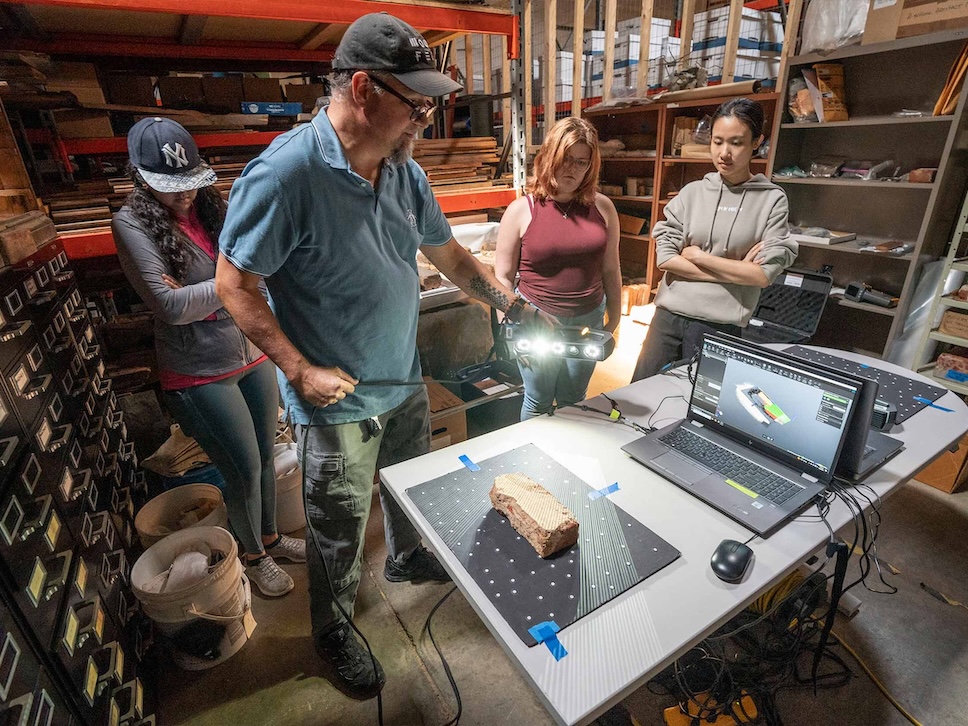
- 3D laser scanning & photogrammetry
- 3D printing, making, & electronics
- virtual/augmented reality
Using the Lab & Makerspace
THE LAB
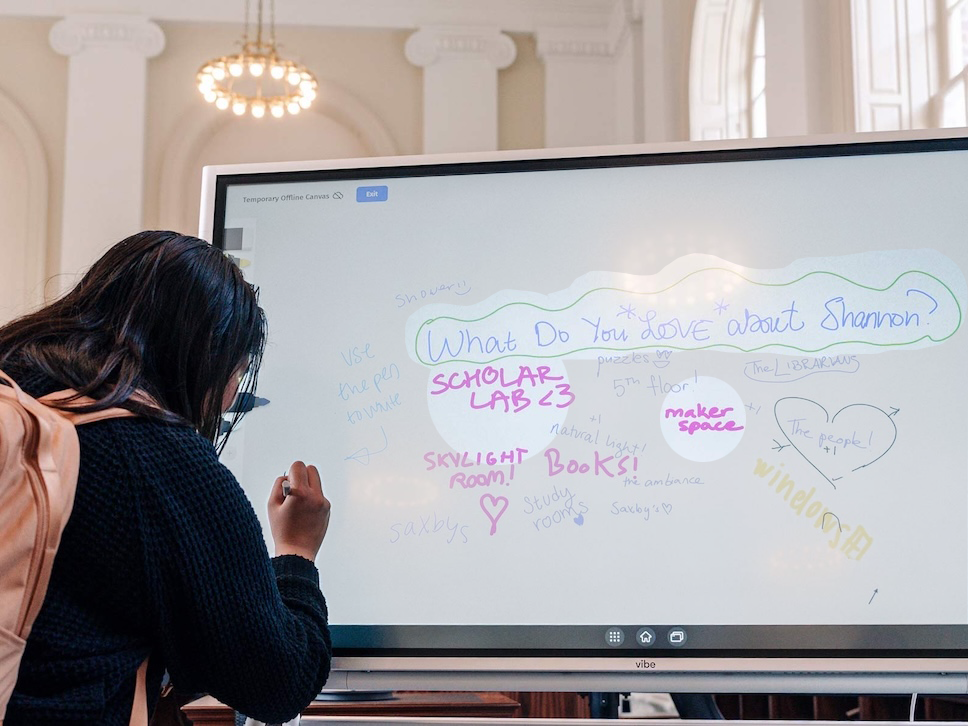
The Scholars’ Lab includes staff offices, co-working areas, an event space, a VR immersion space, and data processing workstations. Appointments are encouraged if you want to meet a particular staff member or request access to specific equipment, though the lab space itself is open whenever Shannon Library is open.
>>> Using the Lab & Makerspace
THE LAB'S MAKERSPACE
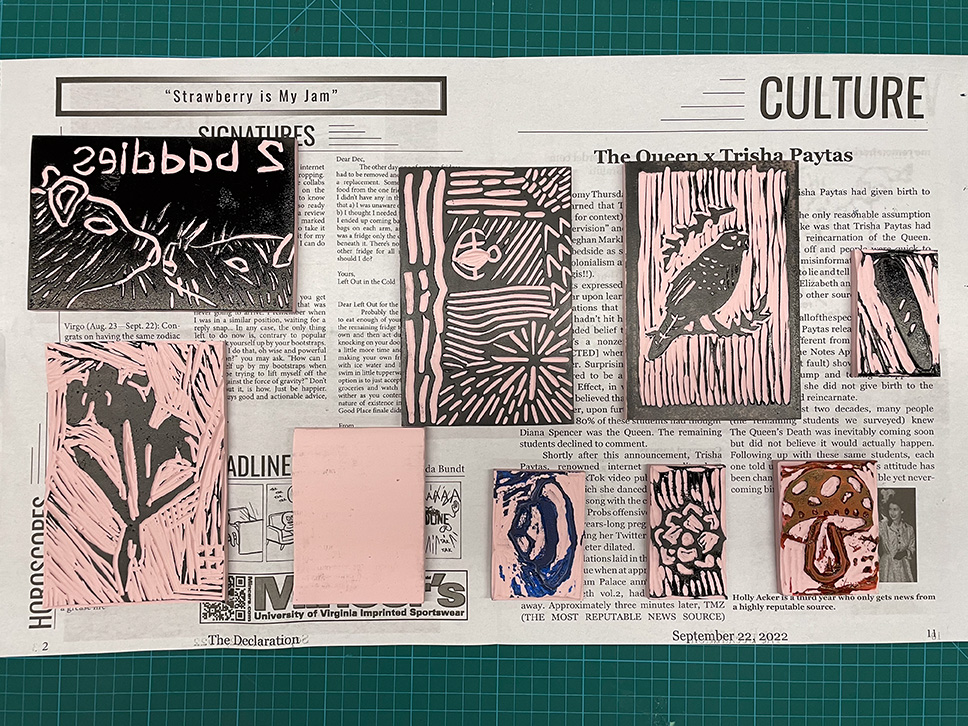
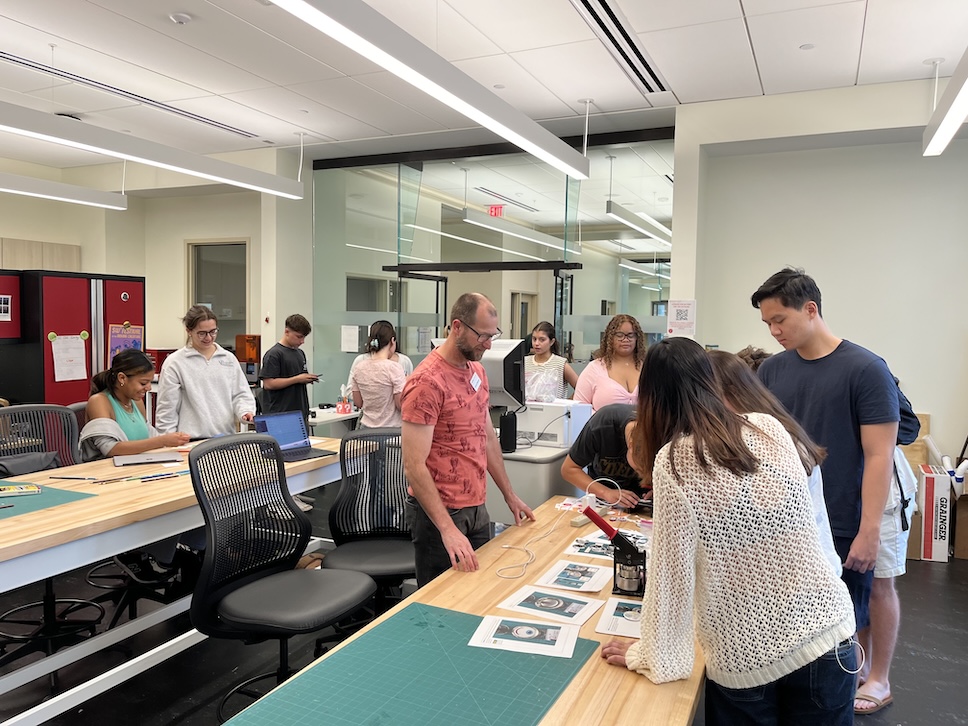
Our Makerspace supports tinkering and experimentation with electronics, fabric arts, 3D printing, laser cutting, and more. Open to everyone, we specialize in applications and research questions in the humanities and arts. The Makerspace staff provides consultation and instruction during open hours, or by appointment. Drop in, or send inquiries to slabmakerspace@virginia.edu.
Critical Digital Humanities
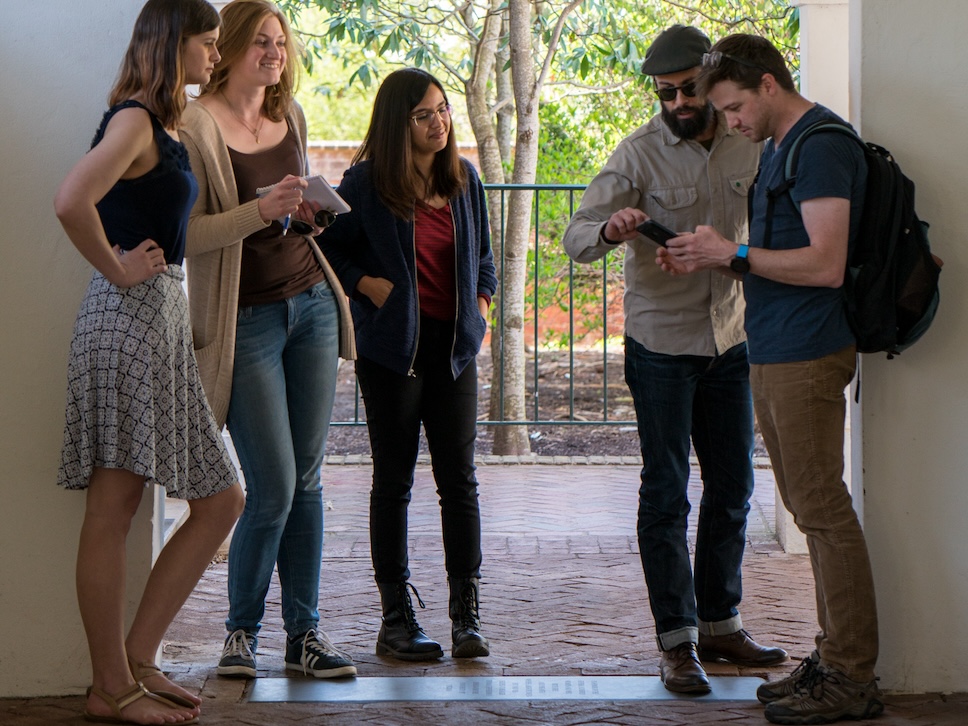
We use “critical” DH here to mean purposeful engagements with the field and community of DH scholarship, including its writings, theory, and international community. Much of the lab’s work draws on our strong DH background (including for non-DH projects and people!) and many of our staff identify as digital humanists and maintain a high level of engagement in external, international DH leadership, service, and community.
Digital Humanities Code + Design
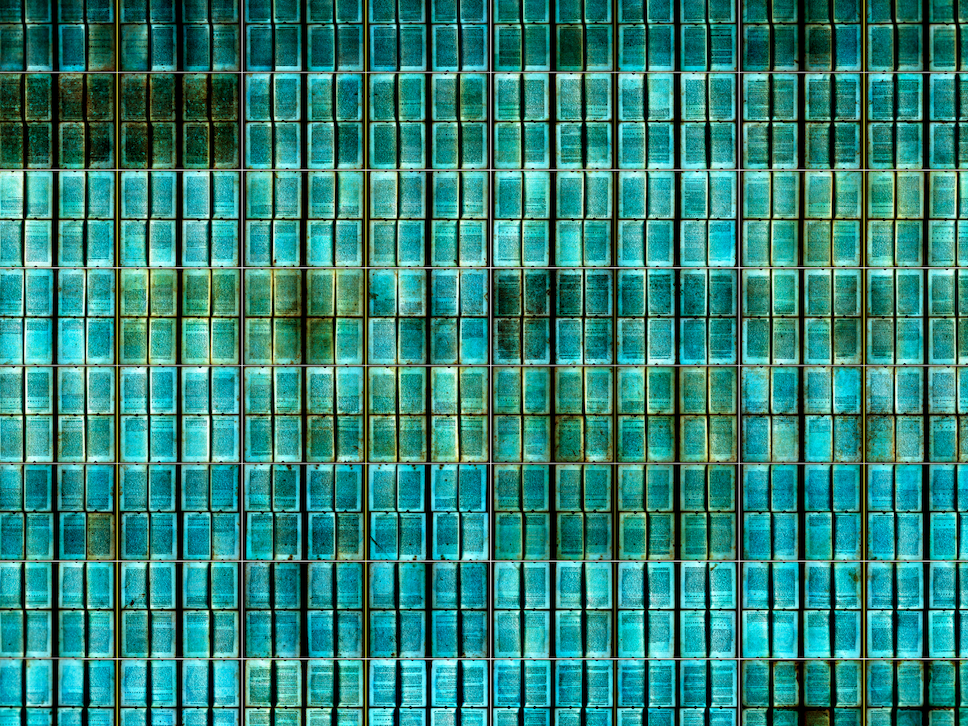
We provide research and teaching consultation on a variety of digital humanities concepts, approaches, and tools, including digital collections & exhibitions, data collection and management, machine learning, text analysis, and more. Our particular strengths lie in the critical pedagogical and scholarly application of those technologies for the humanities.
Spatial Technologies
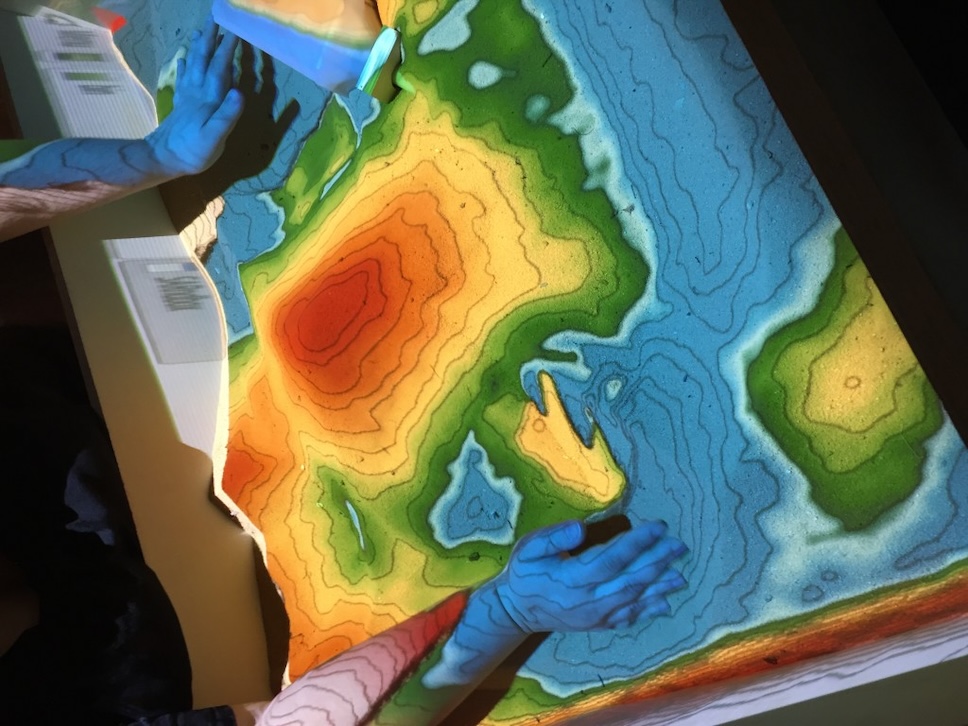
We've got experts in mapping, GIS data, cultural heritage laser scanning & preservation, augmented & virtual reality, and other spatial approaches (including ArcGIS StoryMaps) for representing our world across space + time. Contact us at spatial@virginia.edu to schedule an individual consultation or course instruction session.
Fellowships + Training
We support the work of emerging and advanced scholars. In addition to our general consultations, we offer three graduate fellowship programs that provide students with the time, space, and mentorship necessary to discover, explore, and build. We also offer a wide variety of opportunities for faculty and students to gain training and experience as digital humanists.